
 CECA South West was delighted to host a one-day conference at Sandy Park in Devon on the theme ‘Better Infrastructure – More Resilience – Less Carbon.’
The conference, which took place on 21 October, provided a critical forum for addressing the most pressing challenges facing the infrastructure sector in the South West, and allowed for lively discussion, networking, and knowledge exchange. The central themes of the conference weaved together three inextricably linked priorities:: delivering high-quality projects, future-proofing them against climate and economic volatility, and doing so while driving down carbon emissions to meet net-zero targets. None of these three can be successfully achieved as isolated goals, but must be seen as an integrated mission for industry, where excellence in one area is dependent on progress in the others. The conference set out to move beyond aspiration and focus on the practical delivery of this vision, making it an essential gathering for clients, contractors, and policymakers who are building the UK’s future.
An overarching theme of an excellent array of speakers was a clear focus on building systemic resilience, going beyond simply strengthening physical assets against extreme weather. Sessions explored the resilience of the supply chain, the stability of project pipelines, and the need for robust, long-term strategies from government and regulatory bodies.
The message each speaker returned to was that without a predictable and well-funded programme of work, industry cannot invest in the skills, innovation, and low-carbon solutions required. Moreover, resilience must be framed through the lens of adaptability, ensuring that the infrastructure we deliver today is flexible enough to serve needs we have not yet foreseen, thereby safeguarding public investment for future generations.
Underpinning the entire event was the urgent imperative to achieve less carbon. The conference tackled this not as a standalone environmental concern, but as a fundamental driver of efficiency and value. Presentations from leaders in energy, water, and transport showcased how a commitment to carbon reduction is reshaping project design, material selection, and construction methodologies. From embracing circular economy principles to adopting low-carbon concrete and electrifying plant machinery, the agenda was packed with real-world case studies and data-driven strategies.
The conference makes the compelling case that the pursuit of “better infrastructure” is synonymous with the journey to net-zero, positioning carbon reduction as the key to unlocking a more efficient, resilient, and sustainable built environment.
CECA South West would like to thank all the speakers on the day, and all those who attended. Details of the speakers, and slides to download, are below:

Karl Tucker, Chair of Great South West
Karl is the Non-Executive Chair of Yeo Valley and Yeo Valley Farms Ltd. He has been with the Yeo Valley Family of Businesses since 1996 having joined from the Quarrying Industry and before that having served in the British Army. Karl has been a key member of the leadership team that has seen Yeo Valley grow to be the UK’s largest organic food brand and one of the largest, independent, family owned dairy businesses in the UK. As well as his role at Yeo Valley Karl is the Chair for the Great South West PRP, Chair of the South West Social Mobility Commission, Co-Chair of the Royal Bath & West Enterprise Board and a Non-Executive Director of a number of other businesses.

Caroyln Cadman, Chief Sustainability & Natural Resources Officer, South West Water
Carolyn has recently been appointed Chief Sustainability and Natural Resources Officer, having joined South West Water in May 2022. Carolyn’s team are delivering projects to lower carbon emissions, increase nature recovery efforts and increase the sustainability of operations. Carolyn is a Director of SWW’s partnership with Exeter University, the Centre for Resilience, Environment, Waste and Water, which undertakes innovative research in catchment management, microplastics, PFAS, AI, engineering and all things water management. You can download Carolyn’s slides here.

Andy Wallis, Project Lead, Environment Agency (Wessex)
Andy Wallis is a chartered civil engineer with over 25 years experience in the public and private sector. He has worked for consultants and contractors in the UK and overseas, primarily in the water and environment sectors. He has led the Salisbury River Park project on behalf of the Environment Agency, from its initial inception through to construction. You can download the slides from Andy’s presentation here.

Marcus Smith, Kier Natural Resources, Nuclear & Networks – Environment
Marcus is a Project Director on the Bridgwater Tidal Barrier, with over 16 years in the construction industry. He brings strong technical expertise across civils, construction, commercial management, and planning. Over the years, he’s worked on major infrastructure projects including Crossrail, West Burton CCGT Power Station, and Hinkley Point C, as well as smaller but equally rewarding schemes such as the South Bristol Link Railway Bridge and Unlocking the River Severn. Marcus is passionate about leading teams and delivering complex projects safely, efficiently, and to the highest standards. Download Marcus’s slides at this link.

Beth Lewis, Principal Engineer, Devon County Council
Beth is a Chartered Civil Engineer with more than 20 years’ experience in a number of areas from both the private and public sector. For the last 11 years she has been working for Devon County Council in the Engineering Design Group, and for the last two and a half of those she has been the project lead for Devon’s Live Labs 2 project. Click here to download the slides from Beth’s presentation.

George Barratt, Project Manager, Strategy & Planning, Network Rail
With six years’ worth of experience, George began in the Geotechnical Asset Management Team at Network Rail, developing expertise in remote monitoring and earthwork drainage refurbishment and renewals to improve asset performance. This focus evolved into a passion for weather resilience. George currently manages projects that strengthen the railway’s ability to withstand flooding, heat, and other extreme weather events, and is currently focusing on a site near Chipping Sodbury, Bristol. Click here to download George’s slides.
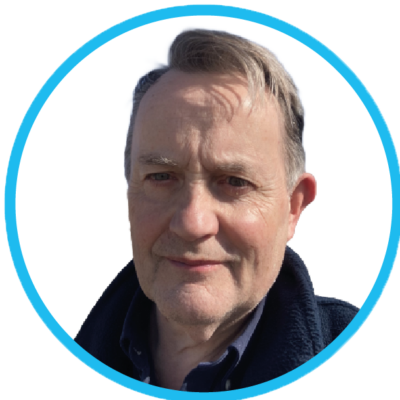
John Chaplin, Director of External Affairs & Special Projects, Bristol Port Company
After working in consultancy and contracting John joined The Bristol Port Company in 2000, taking up the position of Director of Engineering in 2003 and subsequently to the Director with responsibility for External Affairs and the delivery of major schemes. He is the Company’s agent on various national and regional bodies and represents the Port in their dealings with neighbours, central and local government and stakeholders including National Highways, Network Rail and National Grid. He is also Chair of the social enterprise SevernNet. Click here to download John’s slides.
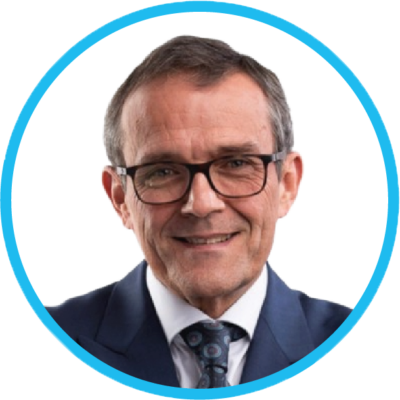
Matt Crabtree, Programme Director, Babcock International
Matt is currently the Programme Director for Babcock for projects in the Submarine Refit Complex and for the development of future investment programmes in Devonport dockyard. Prior to joining the team at Devonport he was Engineering Director at South West Water. He has over 40 years of experience in the industry with responsibility for leadership of programmes in the Water, Rail, Defence, Energy and Highways Sectors. Matt’s slides are available to download here.

James Morris, Sustainability Strategy & Decarbonisation, National Grid
James is a strategic risk and resilience leader with over 20 years’ experience. At National Grid, he leads sustainability strategy and decarbonisation innovation within the Strategic Infrastructure business unit, responsible for designing and building major infrastructure projects to connect more clean energy to the UK network. A former Intelligence Corps soldier, James has also led crisis responses in the Middle East and Africa and built enterprise frameworks that integrate security, health and safety, climate risk, resilience and governance into decision-making. Click here to download James’s slides.

Emma Fletcher, Low Carbon Housing Director, Octopus Energy
Emma’s career has centred on leading high impact, high innovation projects in real estate, with a particular focus on housing, energy performance and green energy production. Emma is a passionate advocate for change, community resilience and sustainability solutions for all. She established and led the UK’s first fossil fuel-free district heating scheme in her village, Swaffham Prior. Her work regularly features in trade, national and international press & media. Click here to download Emma’s presentation.

Ashley George, Regional Commercial Manager, Tarmac
Ashley George is Regional Commercial Manager (Aggregates and Asphalt) at Tarmac for the South West and South Wales. He has a special interest in the construction materials industry and in the development of the strategic pipeline to add long-term benefit to Tarmac’s business. Click here to download Ashley’s slides.

Chris Watkins, Head of Programme & Development, National Highways
Chris currently heads the Planning and Development Team for National Highways in the South West, overseeing Asset Needs, production of the Forward Programme, Spatial Planning and Major Project Integration. He has worked in the highways sector for over 25 years working for Local Highway Authorities including Devon County Council and Plymouth City Council. Click here to download Chris’s slides.